
Leave A Message
If you are interested in our products and want to know more details,please leave a message here,we will reply you as soon as we can.
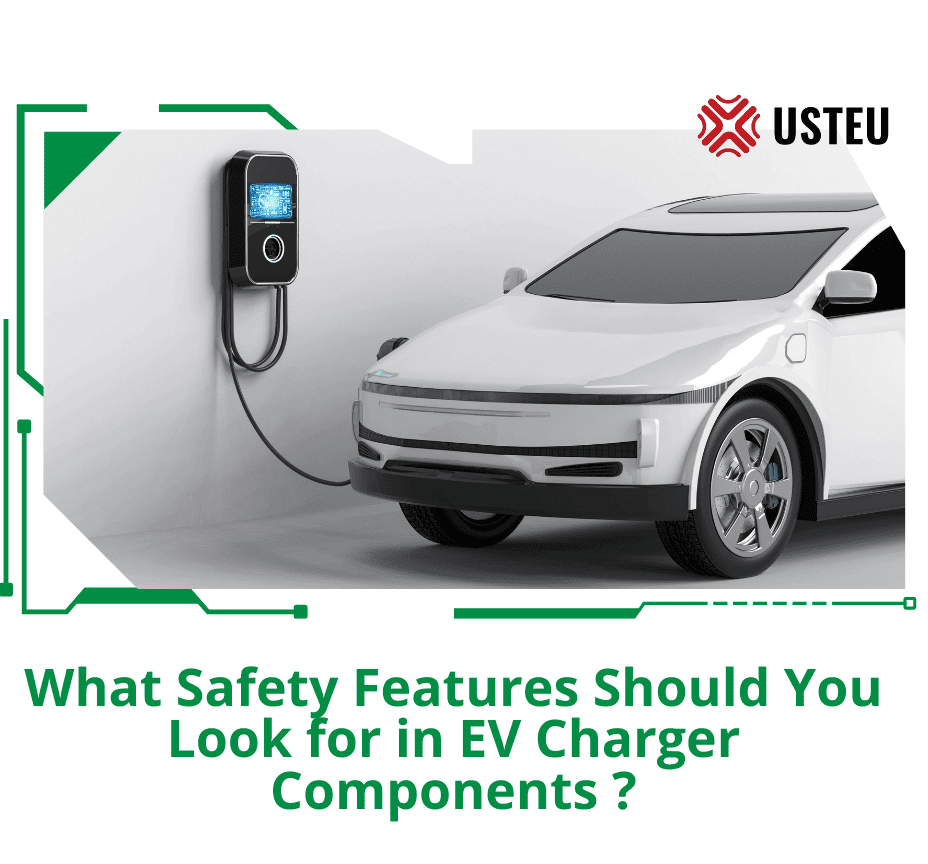
As electric vehicles (EVs) become increasingly common, the safety of EV charging infrastructure is more important than ever. While many users focus on charging speed or convenience, the Fast Level 2 EV Charger with Advanced Safety Features built into EV charger components play a critical role in protecting vehicles, users, and electrical systems. Whether you are a home user, a business owner, or an EV charging operator, understanding these safety features can help you make informed decisions and ensure long-term reliability.
One of the most essential aspects of safe EV charging is protection against abnormal current and voltage. During charging, fluctuations in the power supply can occur due to unstable grids or sudden load changes. Without proper safeguards, these fluctuations may damage the vehicle’s battery or the charging equipment itself.
High-quality EV chargers are designed to automatically regulate or cut off power when abnormal conditions are detected, helping reduce the risk of electrical failure and fire hazards.
Ground fault protection is a critical part of Commercial EV Charging Solution with Enhanced Safety, as it detects leakage currents caused by damaged cables, moisture, or insulation failure. When electricity flows outside its intended path, it can pose serious risks to users.
Chargers with built-in ground fault detection can instantly disconnect power to prevent electric shock, making this feature especially important for outdoor or humid installation environments.
Heat generation is unavoidable during EV charging, particularly during long charging sessions or high-power output. Without proper thermal control, excessive heat can reduce component lifespan and increase safety risks.
Advanced chargers include internal temperature sensors that monitor key components and automatically adjust or stop charging if unsafe temperatures are detected.
Environmental factors such as rain, dust, and extreme temperatures can significantly affect charger performance. For this reason, reliable chargers are designed with sealed enclosures and durable materials to ensure stable operation in real-world conditions.
These design considerations help maintain safety and functionality even in outdoor or semi-open installation locations.
Smart charging systems rely on communication protocols to monitor performance and detect faults in real time. Through centralized platforms, operators can identify abnormalities early and take corrective actions before issues escalate.
This system-level approach improves operational stability and supports long-term network reliability.
Finally, certified compliance with international standards is a key indicator of Level 2 EV Charger with Component Protection System.Certifications such as CE, IEC, or UL confirm that the charger has passed strict testing for electrical safety, durability, and performance.
Choosing certified components ensures that EV charging systems meet global safety requirements and remain reliable throughout their service life.
Factory 1, Donggang Industrial Park, Huagang Town, Feixi County, Hefei City, Anhui Province





 IPv6 network supported